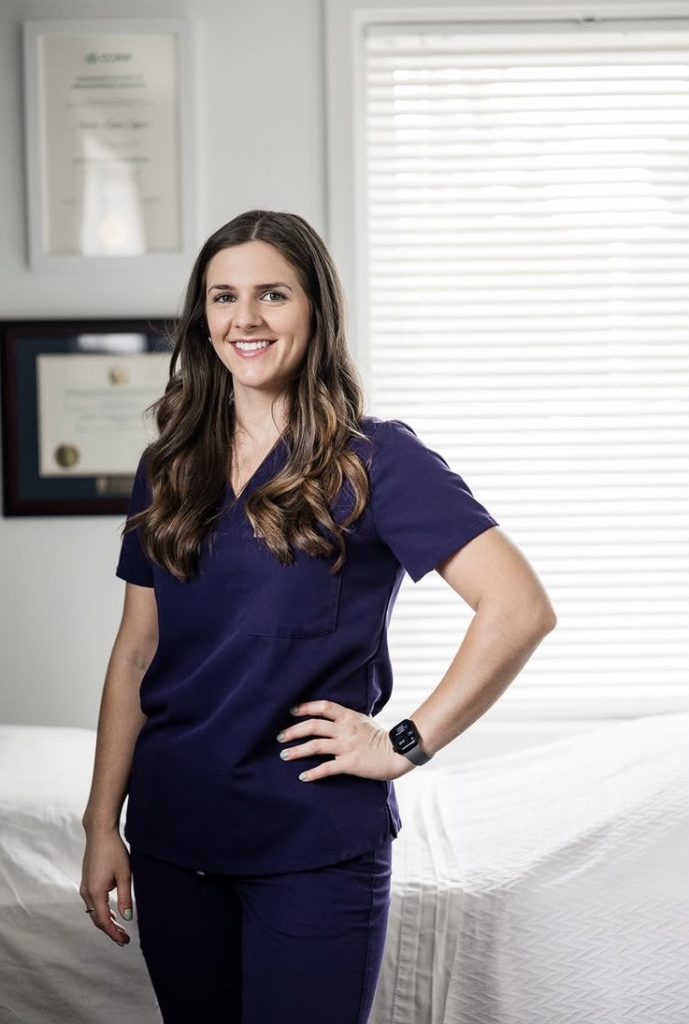
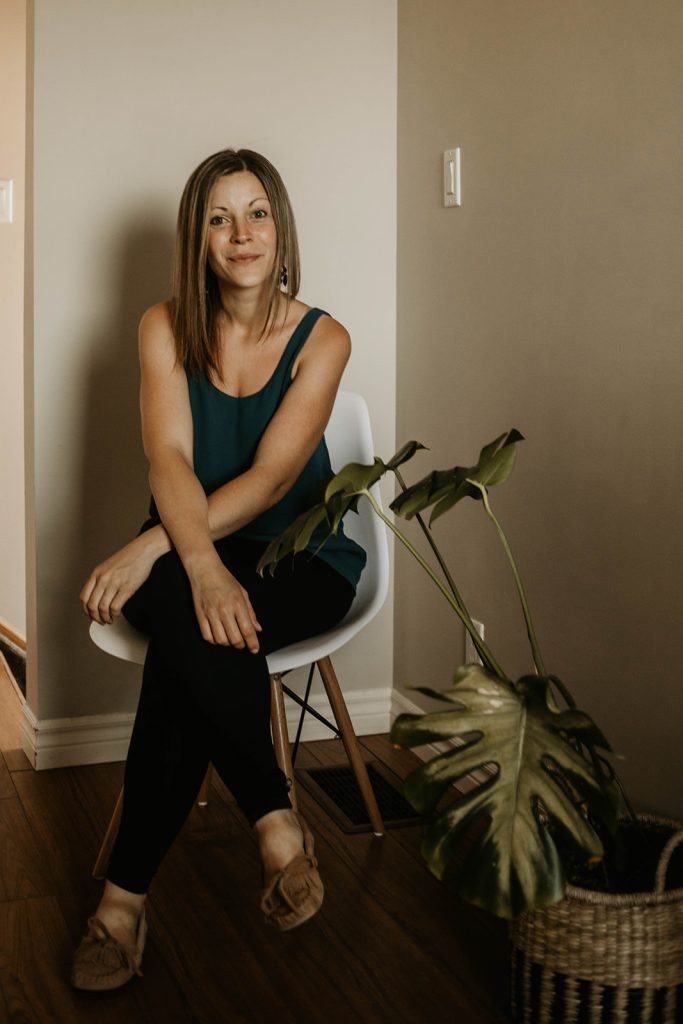
Practice Type and Location: Sole Practitioner within a Multi-disciplinary clinic in Peterborough ON
Number of years in practice: 5
Number of years as a TCMO member: 2 (Courtney is also a volunteer board member!)
Why are you a member of TCMO?
I am passionate about TCM & A and advocating for our profession and supporting individuals that do this.
Special focus areas:
Working in a smaller city like Peterborough with very few acupuncturists, I see just about everything in a week. Most of my practice is women between ages 25-60, but I do also see a lot of seniors in their 70s and 80s as well as men. I treat pain, fertility and menstrual cycle support, digestion, sleep, stress, cosmetic acupuncture and everything in between.
Conditions you love to treat:
Knee pain and dysmenorrhea
Looking back on your career, what is is something you’ve learned that shapes how you practice:
Building confidence has immensely shaped how I practice because it transfers to patients and how they perceive me, acupuncture and treatment.
One thing you always tell patients:
“Warm drinks!”
The last CEU course you signed up for was:
Micro-needling for Acupuncturists
Practice location: 386 Burnham St Peterborough ON courtneycartmel.ca
Social media: IG @courtneycartmel.acu FB Courtney Cartmel Acupuncture
The 10-Minute Weekly Bookkeeping Habit
August 1, 2026
by Ann at Holistic Business Advisors
One of the biggest bookkeeping mistakes isn’t doing it incorrectly, it’s waiting until tax season.
By setting aside just 10 minutes once a week, you can stay on top of your finances all year long. Instead of facing a mountain of receipts in March or April, you’ll spend just a few minutes each week keeping everything organized.
Here’s a simple routine that works.
Step 1: Gather your receipts
Throughout the week, keep your receipts in one place.
Paper receipts can stay in your wallet or a small envelope.
Email receipts can be saved to a dedicated folder in your inbox.
The goal is making sure everything ends up in one place.
Step 2: Record your expenses
Once a week, open your bookkeeping tool or software and enter each expense.
Common business expenses for acupuncturists include:
Clinic supplies
Professional dues and licensing fees
Continuing education
Accounting and legal fees
Website and marketing costs
Office supplies
Recording expenses while they’re still fresh makes the process much faster than trying to remember purchases months later.
Step 3: Save your receipts
The CRA requires you to keep records that support your business expenses.
A simple approach is to scan or photograph each receipt and save it in a secure folder. Giving each file a clear name (such as 2026-07-15-Clinic Supplies) makes it easy to find later if you ever need it.
Small habits create big results
A consistent weekly routine can save hours at tax time. You’ll have more accurate financial records, be less likely to miss deductible expenses, and you’ll spend far less time sorting through receipts at year-end.
The best bookkeeping system isn’t the most complicated one; it’s the one you’ll actually stick with.
About the Author
Ann is a retired acupuncturist and co-founder of Holistic Business Advisors (HBA). After experiencing the challenges of running a practice firsthand, she created HBA to help acupuncturists feel more confident and supported in managing the financial side of their business.
As we enter into the heart of summer, we’re reminded that this season has long been associated with flourishing, vitality, connection, and joy. In Traditional Chinese Medicine, summer reflects the Fire element: a time when life is in full bloom and the work of previous seasons becomes visible.
As healthcare practitioners, it can be easy to lose sight of that perspective. Much of our attention is naturally drawn to what needs to be improved: the patient who is still in pain, the charting that needs to be completed, the advocacy work ahead, or the challenges facing our profession. We spend our days helping others through difficult moments, often without pausing to recognize the impact we are already making.
We often measure our profession by milestones: legislation advanced, meetings attended, partnerships formed, or research published. While these achievements are important, they are only part of the story. The true strength of our profession is built incrementally each day through the care you provide, the trust you earn, the students you mentor, the colleagues you support, and the conversations that help others better understand TCM and acupuncture. Every patient whose quality of life improves because of your work contributes to the reputation and future of our profession.
Joy is not only something we help our patients rediscover. It is also something we, as practitioners, deserve to experience in our own work.
As you enjoy the longer days of summer, I hope you will take a moment to reflect on how far you have come, both as a practitioner and as a profession. Our community has grown because thousands of dedicated practitioners continue to show up each day with knowledge, compassion, and a commitment to serving others.
Thank you for the care you provide, the lives you change, and the role you play in helping our profession continue to flourish.
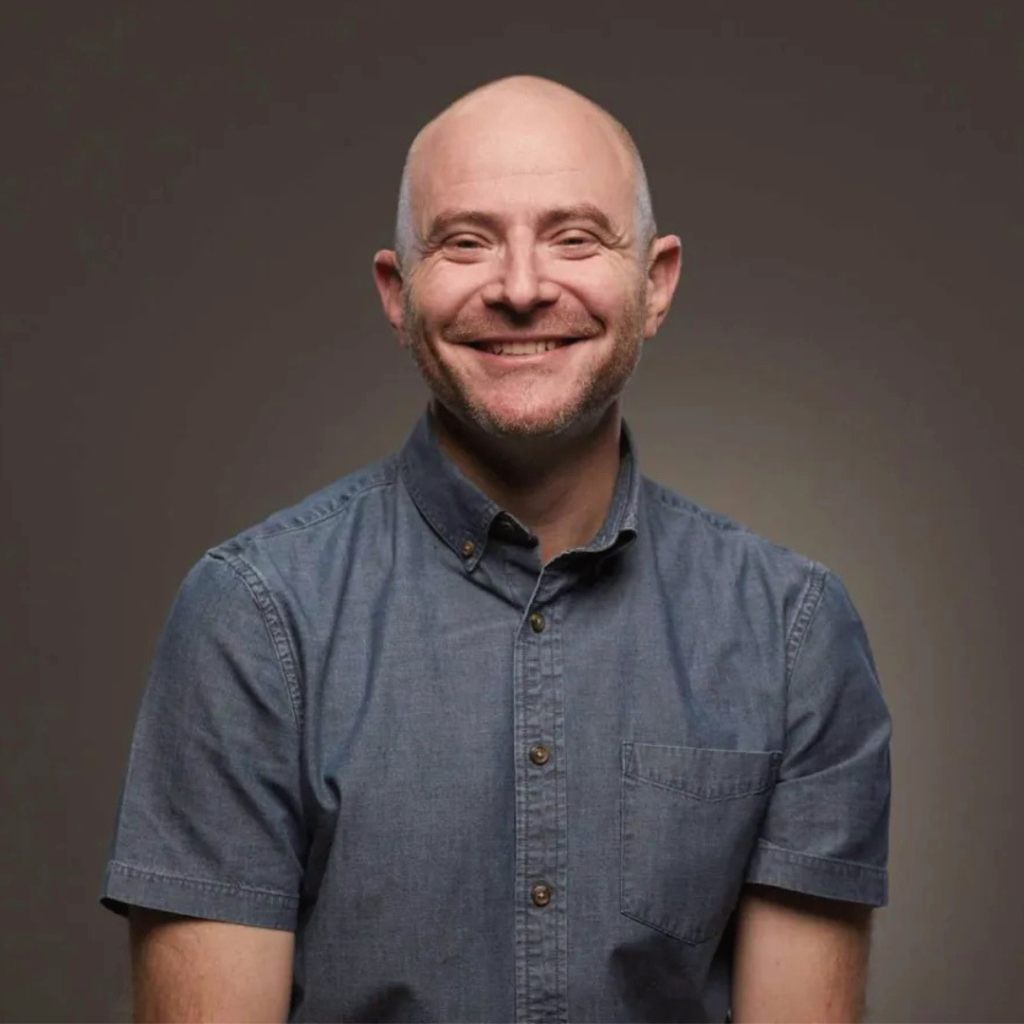
Practice Type and Location: Toronto, Sole practitioner within a multi-disciplinary clinic
Number of years in practice: 26
Number of years as a TCMO Member: 3-5
Special focus areas: Sports medicine, cosmetic, life transitions, pediatrics, women’s health, MSK, mental health
Why are you a member of TCMO?
I deeply appreciate the work that the TCMO is doing for our profession. Being a member is a way that I can support this.
Which conditions you love to treat most?
The specific condition does not matter to me so much as the process. The work I love to do most involves a long term therapeutic relationship with the patient where I am allowed to be alongside them and support them and their arising needs through the various stages and events of their lives.
Looking back on your career, what is one thing you’ve learned?
Treatment of the chief complaint may be successful or it may not be successful. But this doesn’t determine the success of the treatment. How I treat the person and how I make them feel is more important. Have I listened to them? Have I made my best attempt to be there for them? Have I done my best to be of service to them (even if it means that I refer them to a more appropriate practitioner)? Have my touch and my actions been as gentle and connected as possible? This is a foundation of my practice.
What is one thing you tell patients?
It’s okay to fail. It’s the consistent small steps that lead to large gains.
Last CEU you’ve signed up for?
Kampo Diploma Programme with NYKI
Practice location: The Daniel Adler Clinic (operating within Dupont Naturopathic Family Clinic)
Daniel also teaches courses in the GTA – keep an eye out for upcoming offerings!
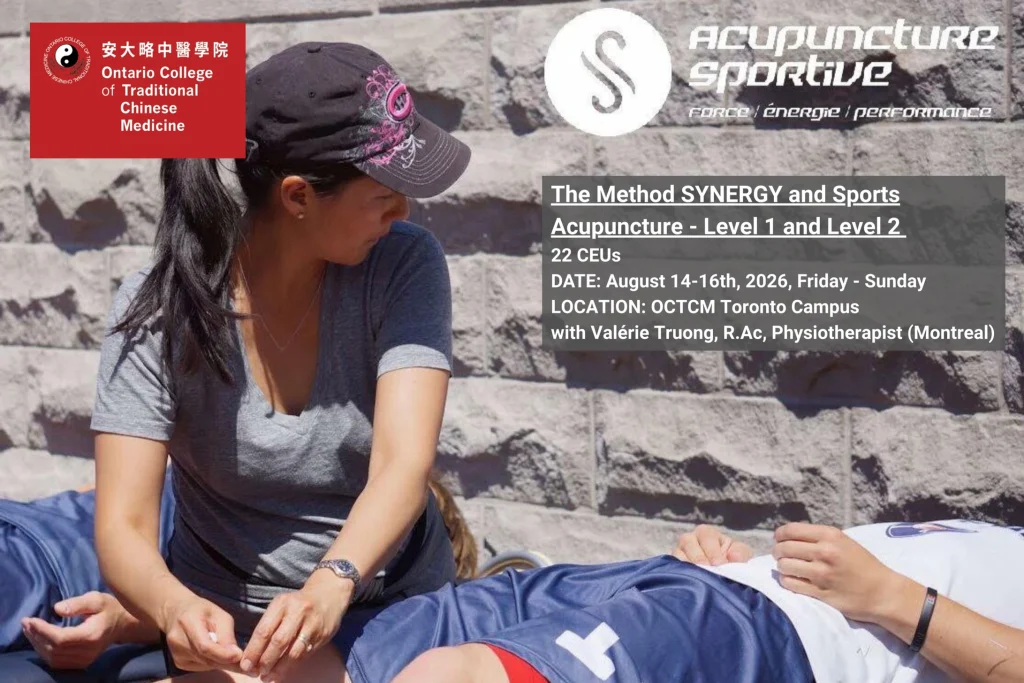
The Method SYNERGY and Sports Acupuncture at OCTCM
July 3, 2026
The Method SYNERGY and Sports Acupuncture – Level 1 and Level 2 with Valerie Truong R.Ac & Physiotherapist
The SYNERGY Method is a method of treating musculoskeletal pain and injuries with 2 simple and effective SYNERGY Sequences, the Upper and the Lower Sequences, by rebalancing the fascias and muscle chains, in the clinical setting with the general clientele and applicable on field with high-level athletes using distal points.
DATE: August 14th – August 16th, 2026 Friday – Sunday
LOCATION: OCTCM Toronto Campus
COST: $950 CAD + Tax
TCMO MEMBER PRICE: $875 CAD + Tax
PREREQUISITES: R.Ac or students who have completed the Acupuncture program
Be effective treating musculoskeletal conditions and enrich the recommendations given to the patient to accelerate progress according to Phases 1, 2 or 3 of patient’s healing.
At the end of the seminar, therapists will be equipped to work effectively in their clinic and on field in a sports environment, as well as any environment, where the pace of action is intense and where effectiveness of intervention must be maximal in a small amount of time (eg humanitarian)
Presentation of the SYNERGY Method is based on more than 1000 interventions on field with professional athletes and sports teams and 25 years of private clinic practice in Montreal, Canada.
TOPICS COVERED:
Presentation of the Upper and Lower SYNERGY Sequences rebalancing muscle chain by muscle chain with the use of palpation and distal acupuncture points.
Presentation of treatment strategies and SYNERGY recommendations to accelerate patient progression and optimize acupuncture treatment, according to the 3 healing phases:Phases 1, 2 or 3.
The following will be covered during the hands-on workshops:
1) Upper and Lower SYNERGY Sequences rebalancing of the spine and the 4 muscle chains of the limb with palpation and use of the distal points.
2) Refinement of SYNERGY Sequences with the use of points at the sacroiliacs and of the scapulas.
3) how to perform SYNERGY fascia and muscle chain rebalancing AND powerfully treat an internal disorder simultaneously using:
superimposed images, which will allow us to puncture only from the elbow to the hand and from the knee to the foot
the 3 Yin Meridians
the 3 Yang Meridians
the combination of the SYNERGY Sequences and Dr. Richard Tan’s “Magical 8+1” prescription, aka “the million dollar prescription” to address issues such as: digestive, intestinal, menstrual problems, menopausal, weight loss, glycemic control, seasonal allergies.
THE SEMINAR IS FOR TCM Therapists who have completed their course in acupuncture with an interest in Orthopedics.
SCHEDULE:
DAY 1: 9 AM to 6 PM – The first day consists of presenting the SYNERGY Method Theory in the morning followed by 2 demonstrations on models in the afternoon.
DAY 2: 9 AM to 5 PM – The second day, presentation of the final part of the SYNERGY Method Theory followed by the Practical Workshop Level 1.
DAY 3: 9 AM to 5 PM – The third day, presentation of the SYNERGY Method Theory Level 2 and demonstration on model Level 2 in the morning followed by the Practical Workshop Level 2 in the afternoon.
TEACHING METHODS:
Oral presentation, case histories, 4 clinical demonstrations on models, sharing of experience. The Method Seminar manual and educational tools will be provided.
INSTRUCTOR BIO Valérie Truong
Physiotherapist and Acupuncturist in private clinical practice for 25 years in Montreal, Canada, specializing in Sports Acupuncture for teams and professional athletes. She teaches the SYNERGY fascia rebalancing Method in Canada and in Europe since 2016.
She works with the Canadian Women’s Professional Hockey League, Le Royal de Montréal of the American Ultimate Disc League (Frisbee), The Red Bull Cliff Divers and dancers of the Ballets Jazz de Montréal and of the Grands Ballets Canadiens in Montreal. In spring of 2024, she was the therapist for the cast and crew of Netflix « Emily in Paris » season 4 during the filming in Paris.
She is involved in teaching and research in the field of acupuncture in Quebec.
Dates: Friday, September 18th and Saturday, September 19th 2026
Time: 10:00AM – 5:30PM
Cost: $700
TCMO Member Cost: $600 (Call 416-323-1818 ext. 202 to register at your discounted rate.)
Location: In Person at AIM Academy, 455 Spadina Ave, Suite 300, Toronto ON, M5S 2G8
Requirements: Participants must be Registered Acupuncturists or Acupuncture students (Students must provide proof of enrolment, call 416-323-1818 ext. 202 to register.)
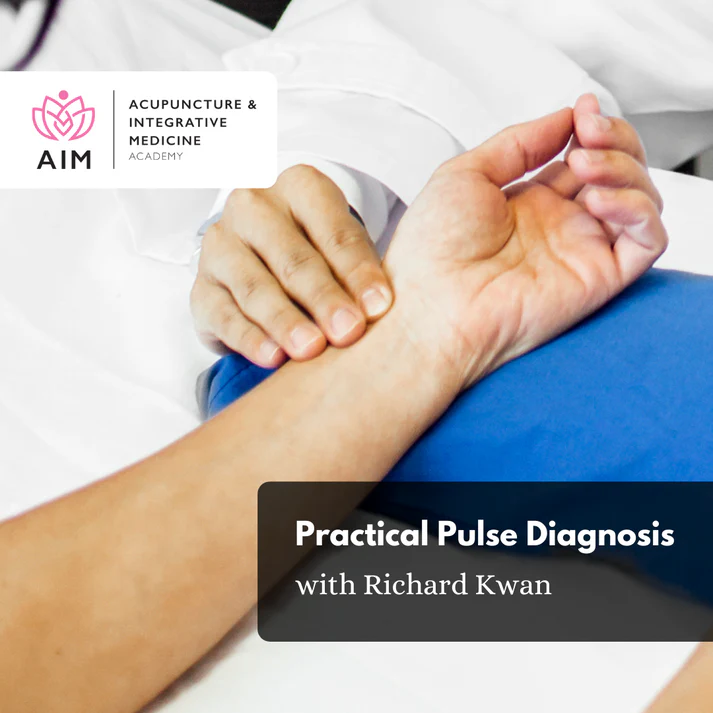
Instructor: RICHARD KWAN, BSc, R.TCMP, R.Ac
Description:
Do you feel a lack of confidence in Pulse Diagnosis? Do you feel confused about the different kinds of pulses?
Richard Kwan is offering Practical Pulse Diagnosis for students and practitioners to simplify your Pulse Diagnosis and practice knowing how to improve your Pulse taking skills.
There will also be a Practical component not only to palpate the Pulse but also to influence the Pulse of patients through palpation of acu-points and Acupuncture. By seeing how the Pulse changes during a treatment, this helps to build your confidence and improve your treatment results.
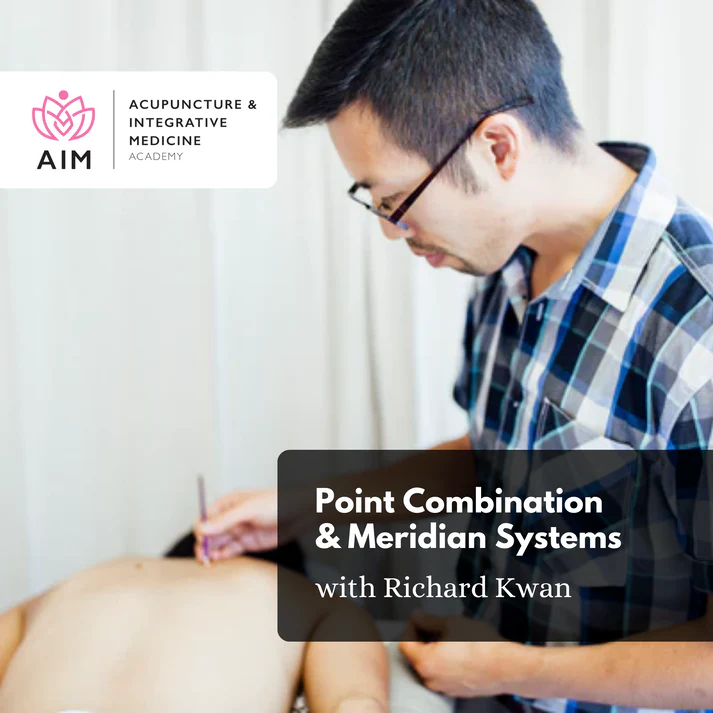
Point Combination and Meridian Systems with Richard Kwan
Details:
Dates: Friday, October 23rd and Saturday, October 24th 2026
Time: 10:00AM – 6:00PM
Cost: $700
TCMO Member Cost: $600 (Call 416-323-1818 ext. 202 to register at your discounted rate.)
Location: In Person at AIM Academy, 455 Spadina Ave, Suite 300, Toronto ON, M5S 2G8
Requirements: Participants must be Registered Acupuncturists or acupuncture students completing theclinical portion of their training. (Students must provide proof of enrollment, call 416-323-1818 ext. 202 to register.)
Instructor: RICHARD KWAN, BSc, R.TCMP, R.Ac
Description:
Treatment of pain is often based on Meridian Differentiation compared to the treatment of internal disorders based on Zang-Fu Syndrome Differentiation. Meridian based Acupuncture integrates TCM microsystems, balancing methods, Acupuncture Meridian Systems and 5 element theory taken from Classical Acupuncture, Japanese Acupuncture, Tung and Tan Style Acupuncture. This workshop summarizes how these famous Acupuncture masters have applied these ancient Meridian systems to produce effective results in the treatment of pain.
Richard Kwan’s innovative style of Acupuncture teaches the importance of palpation and intention to create effective and miraculous results even with a few needles. Workshop includes lecture and treatment demonstration to enhance learning experience and empower practitioners with a variety of tools and insights to give simple yet profound treatments.
Alliance for Healthier Communities 2026 Conference – Attachment for Everyone
June 10, 2026
Centring Health Equity in Ontario’s Primary Health Care Expansion
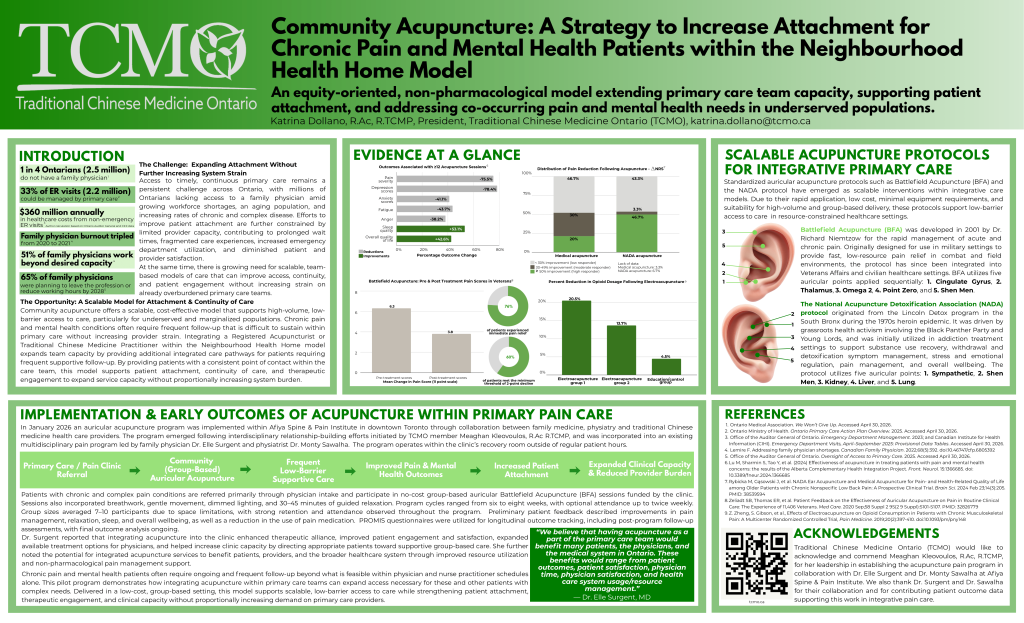
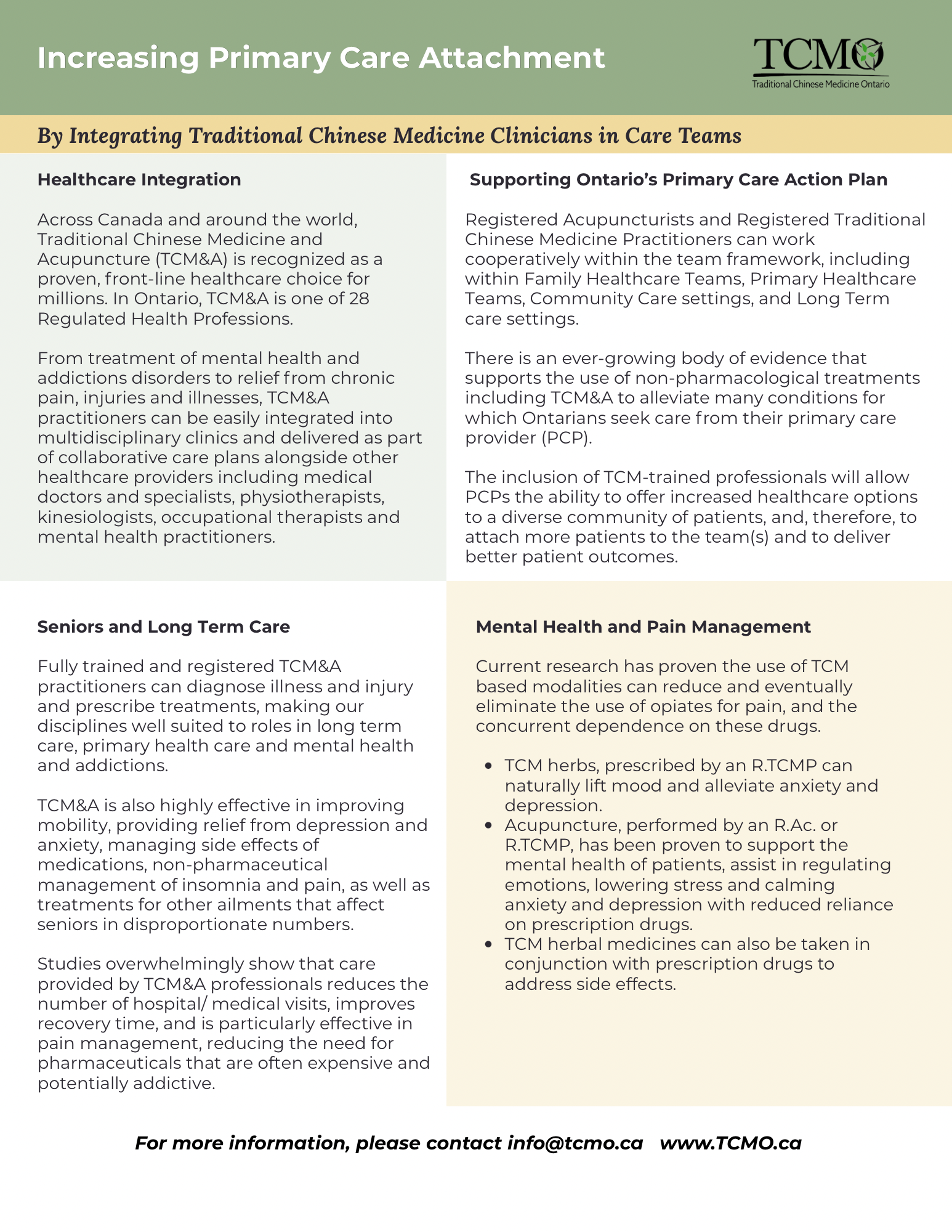
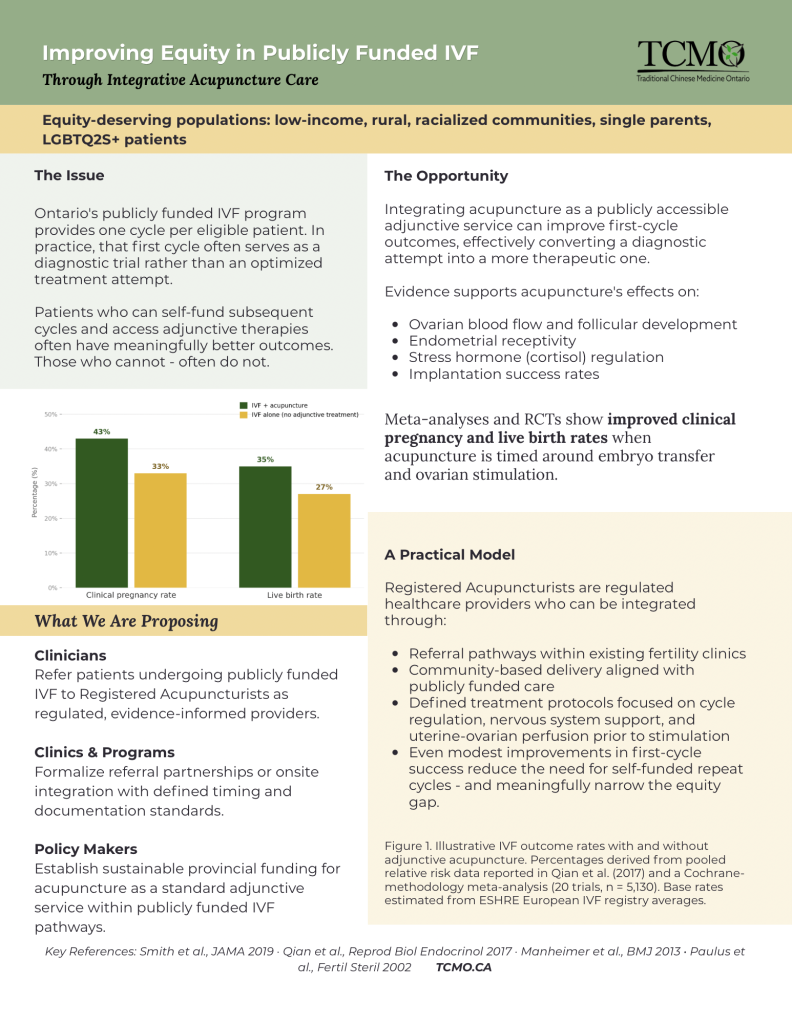
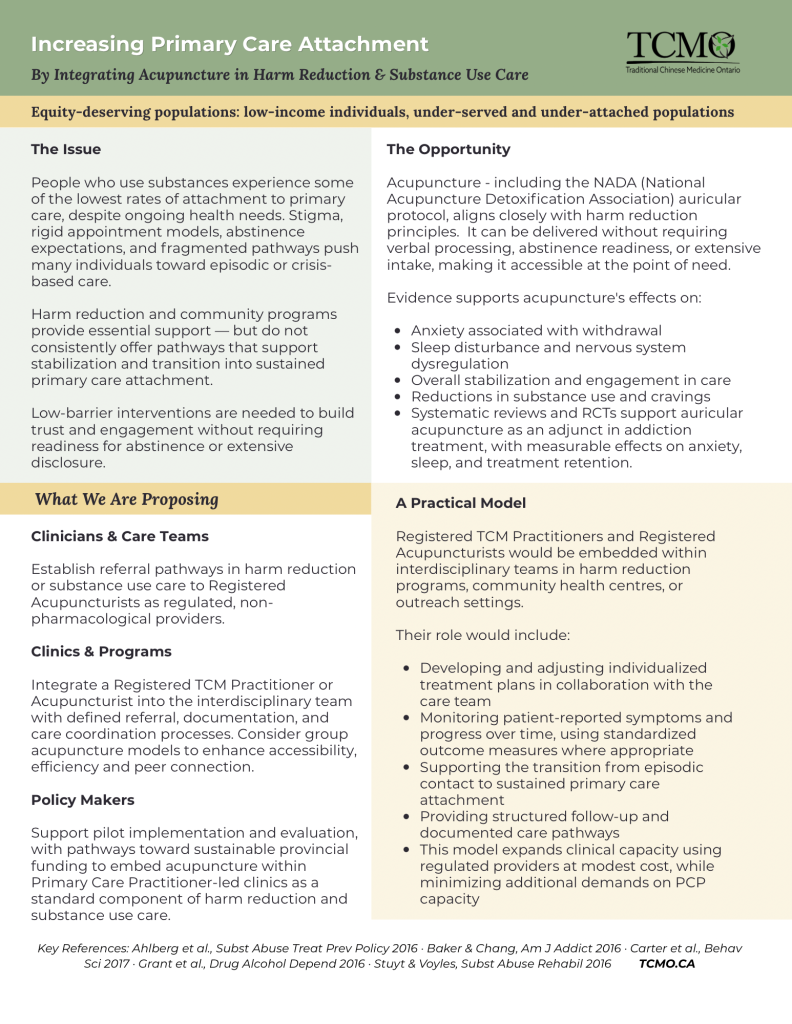
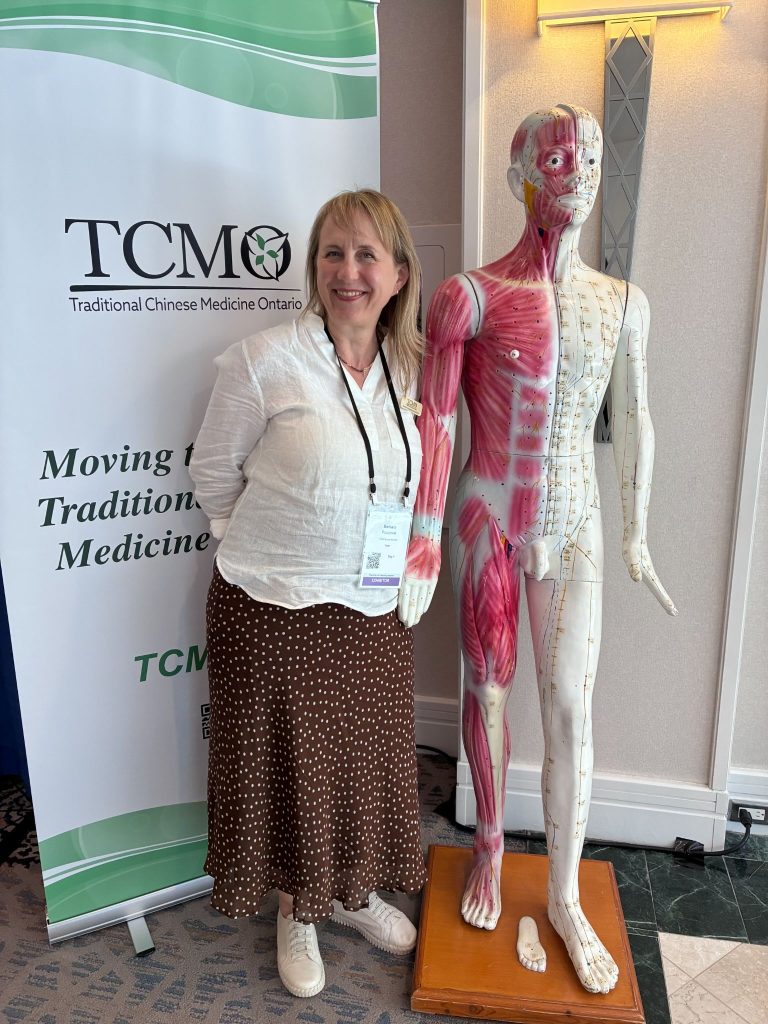
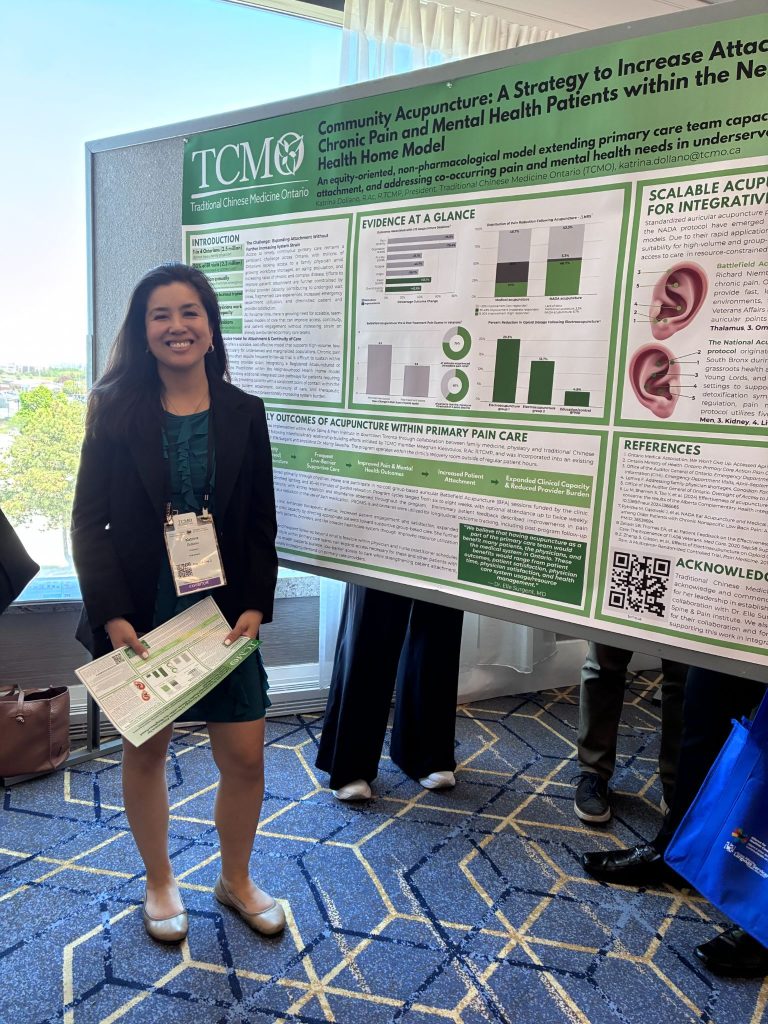
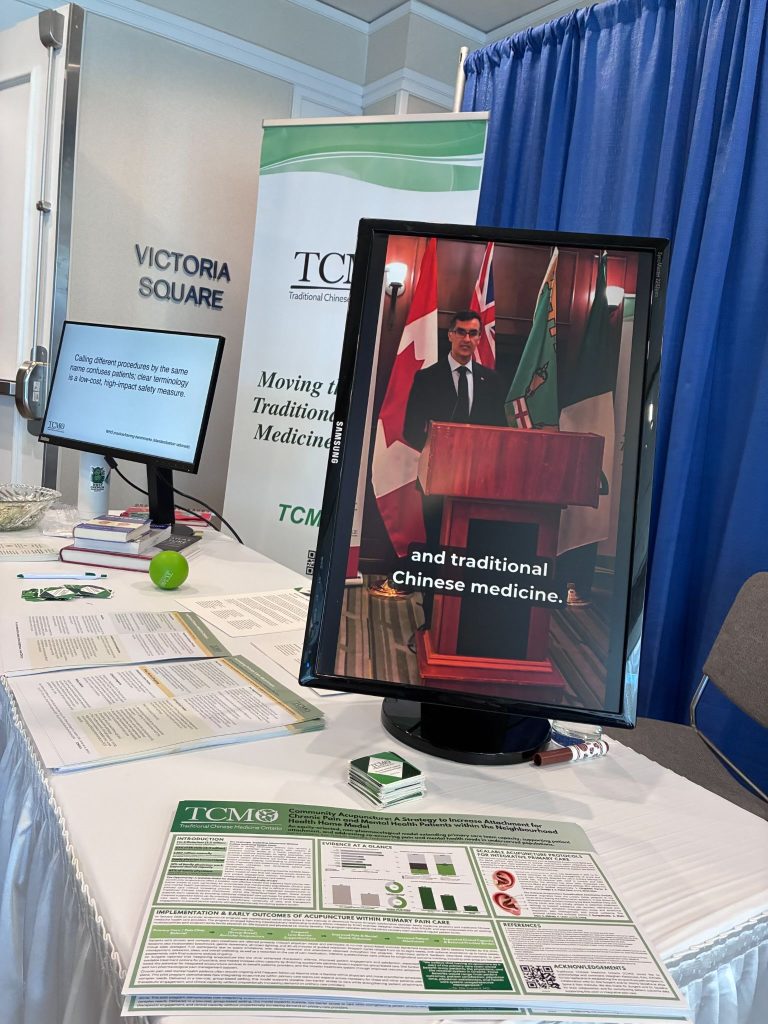
TCMO was proud to represent our profession at this year’s conference, advocating for the integration of TCM within Ontario’s primary care expansion. Download our conference posters and resources below to learn more about TCMO’s community care model and our evidence-based approach to health equity.
June is Pride Month, which traces its origins to the Stonewall Riots of 1969, when members of the LGBTQIA2+ community rose up against years of discrimination and exclusion. They refused to accept that things simply had to remain the way they were. What followed was a grassroots movement that demonstrated a powerful truth: meaningful change begins when ordinary people recognize a problem, organize around it, and commit themselves to creating something better.
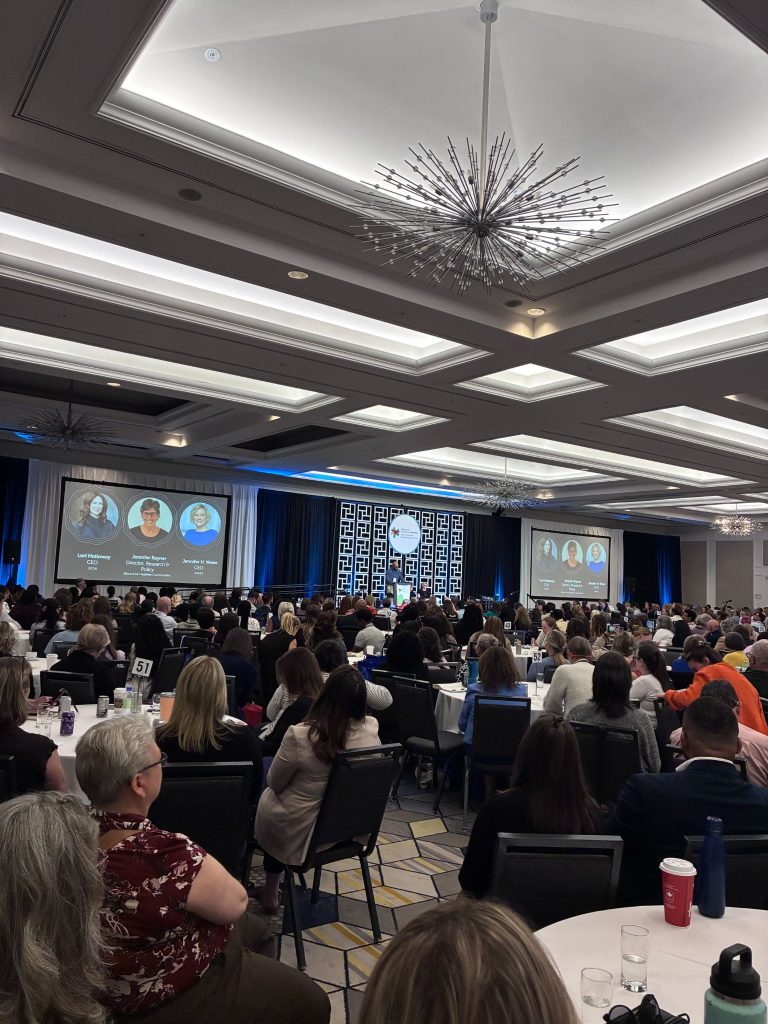
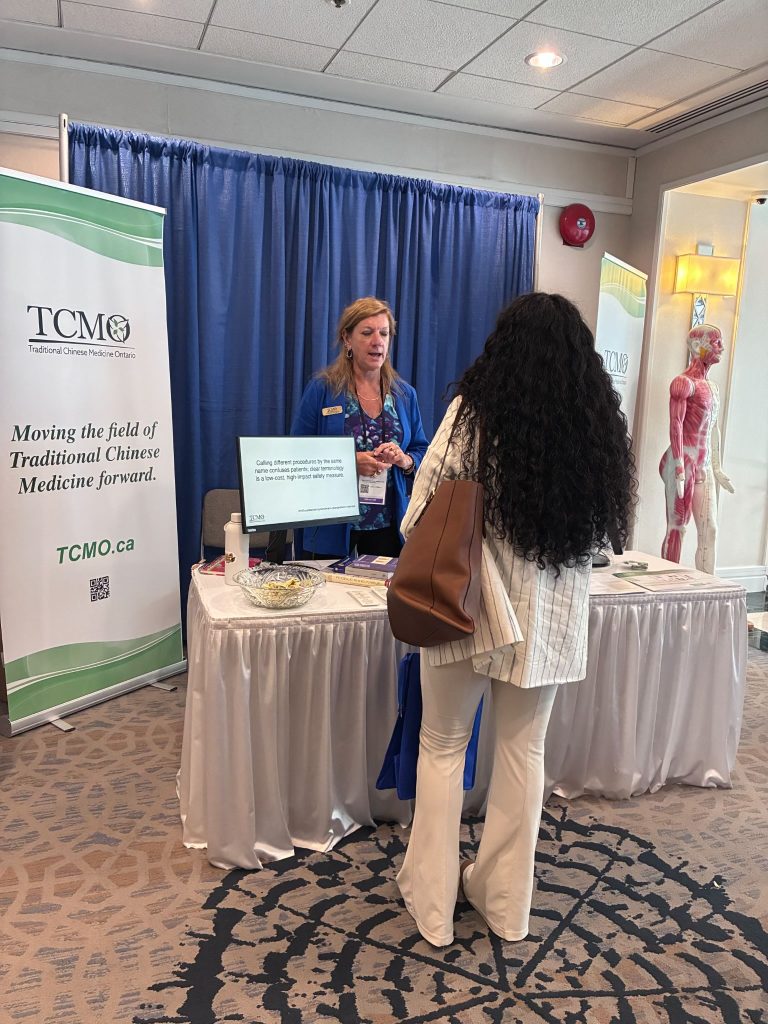
This month, the TCMO had the opportunity to host an exhibitor booth and present a poster at the Alliance for Healthier Communities Conference. The conference theme, Attachment for Everyone: Centring Health Equity in Ontario’s Primary Health Care Expansion, focused on improving attachment for people who are underserved, marginalized, or disconnected from care. It was a reminder that many of the most effective solutions in healthcare, much like the grassroots movements that inspired them, begin by identifying unmet needs and finding practical ways to address them.
The Alliance for Healthier Communities is a provincial network of community-governed primary healthcare organizations committed to improving access, health equity, and patient outcomes across Ontario. Many of its member organizations serve populations that have historically faced barriers to care, including marginalized, underserved, and vulnerable communities. Their work is rooted in a simple but powerful belief: everyone deserves access to healthcare.
For the TCMO, participating in this conference was an opportunity to be part of important conversations about the future of healthcare in Ontario and to demonstrate how Registered Acupuncturists and Registered Traditional Chinese Medicine Practitioners can contribute as valuable members of interdisciplinary primary healthcare teams. As Ontario works to improve access, attachment, and health outcomes, our profession has an important role to play in helping meet those goals.
Having our poster accepted was both exciting and encouraging. More importantly, it allowed us to engage directly with front-line workers, clinicians, administrators, and executive leaders who are actively seeking innovative solutions to some of the challenges facing our healthcare system.
Our poster highlighted a community acupuncture program being delivered at Afiya Spine and Pain Institute. Funded by the clinic and offered at no cost to patients, the program uses group-based auricular acupuncture to provide frequent, low-barrier support for individuals living with chronic pain and mental health challenges. With patient attachment serving as a central focus of the conference, the program offered a practical example of how Registered Acupuncturists and Registered Traditional Chinese Medicine Practitioners can help address a growing healthcare challenge. Patients with chronic pain and mental health concerns often require more frequent follow-up and support than overburdened healthcare teams can provide. By creating an additional point of contact within the care team, acupuncture can help patients remain connected to care, strengthen engagement, and expand system capacity in a cost-effective way.
Again and again, attendees asked about funding. They recognized the value of the model and wanted to know how it could be implemented within their own organizations. The fact that Afiya Spine and Pain Institute chose to fund the program directly because they saw the benefit to patients resonated strongly with many of the people we spoke with. It demonstrated that innovative solutions do not always require large budgets or complex infrastructure. Sometimes they begin with a willingness to try something new and a commitment to meeting patients where they are.
I would like to extend my sincere thanks to Meaghan Kleovoulos, R.Ac, R.TCMP, whose dedication has been instrumental in delivering the program, and to Dr. Elle Surgent and Dr. Monty Sawalha of Afiya Spine and Pain Institute for their leadership and vision. Their commitment to improving access to care made this project possible.
In many ways, the program itself reflects the grassroots origins of acupuncture in North America. Community acupuncture, the NADA protocol, and Battlefield Acupuncture all emerged from a desire to make care more accessible, affordable, and available to people who might otherwise go without. They were practical solutions developed within the community to meet real community needs. It is fitting that these ideas were being discussed in a setting dedicated to improving access to care for underserved populations.
The conference experience left me feeling both inspired and challenged.
There was genuine curiosity in what our profession can contribute to primary healthcare and patient attachment. People were listening. They were asking questions. They were looking for solutions.
At the same time, it became clear that much work remains. Many healthcare leaders still do not fully understand our training, our scope, or the role we can play within integrated healthcare teams. Public awareness remains limited. If we want Traditional Chinese Medicine and acupuncture to become more deeply integrated into mainstream healthcare, we cannot assume others will tell our story for us.
Like the grassroots movements that came before us, progress will happen because practitioners choose to participate. It will happen because we continue educating the public, building relationships with other healthcare professionals, engaging with our communities, and demonstrating the value of our medicine through our work.
After attending this conference, I am more convinced than ever that the opportunity is there. The future of our profession is not something we will find. It is something we will create. Like every grassroots movement that has come before us, its success will depend on people who are willing to show up, contribute, and keep moving forward together. The seeds have been planted. What grows next depends on what we choose to cultivate together.
Practice type and location: Oshawa; Multidisciplinary clinic owner
Number of years as a TCMO Member: 3-5 years
Number of years in practice: 14
Special focus areas: Fertility, Women’s Health, Mental Health
Why you are a member of TCMO: Support the organization to further the promotion of TCM in Ontario
Conditions you love to treat: Fertility and mental health (particularly trauma recovery)
Looking back on your career, what is is something you’ve learned that shapes how you practice: Understanding a patient’s condition from a western medical perspective is helpful and can inform treatment, but it’s important to always go back to TCM diagnostics as the foundation. Really look and listen to the patient, be as present as possible, and be wary to not fall into using treatment protocols over individualized care.
One thing you always tell patients: In verbal and non verbal ways, I try to tell patients that their story matters and they are seen.
The CEU course you signed up for was: Neuro Meridian Acupuncture level one
Any updates to share: Haven Healthcare is in it’s 5th year and we are very busy! We are currently looking for another TCMP to join the team.